
Front and rear coverage
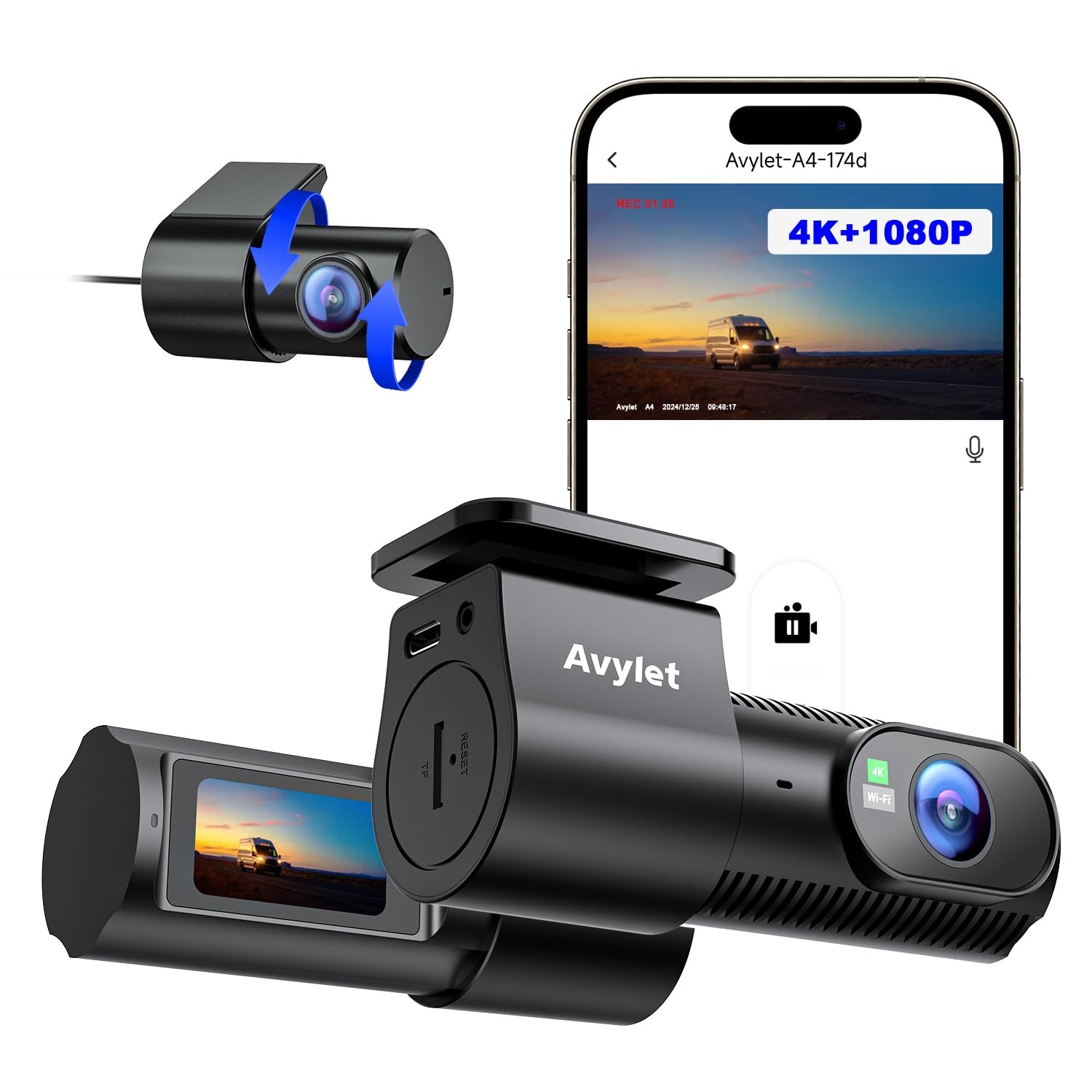
Two cameras record simultaneously, so a rear-end shunt or a rear number plate is captured just as clearly as what's ahead of you.
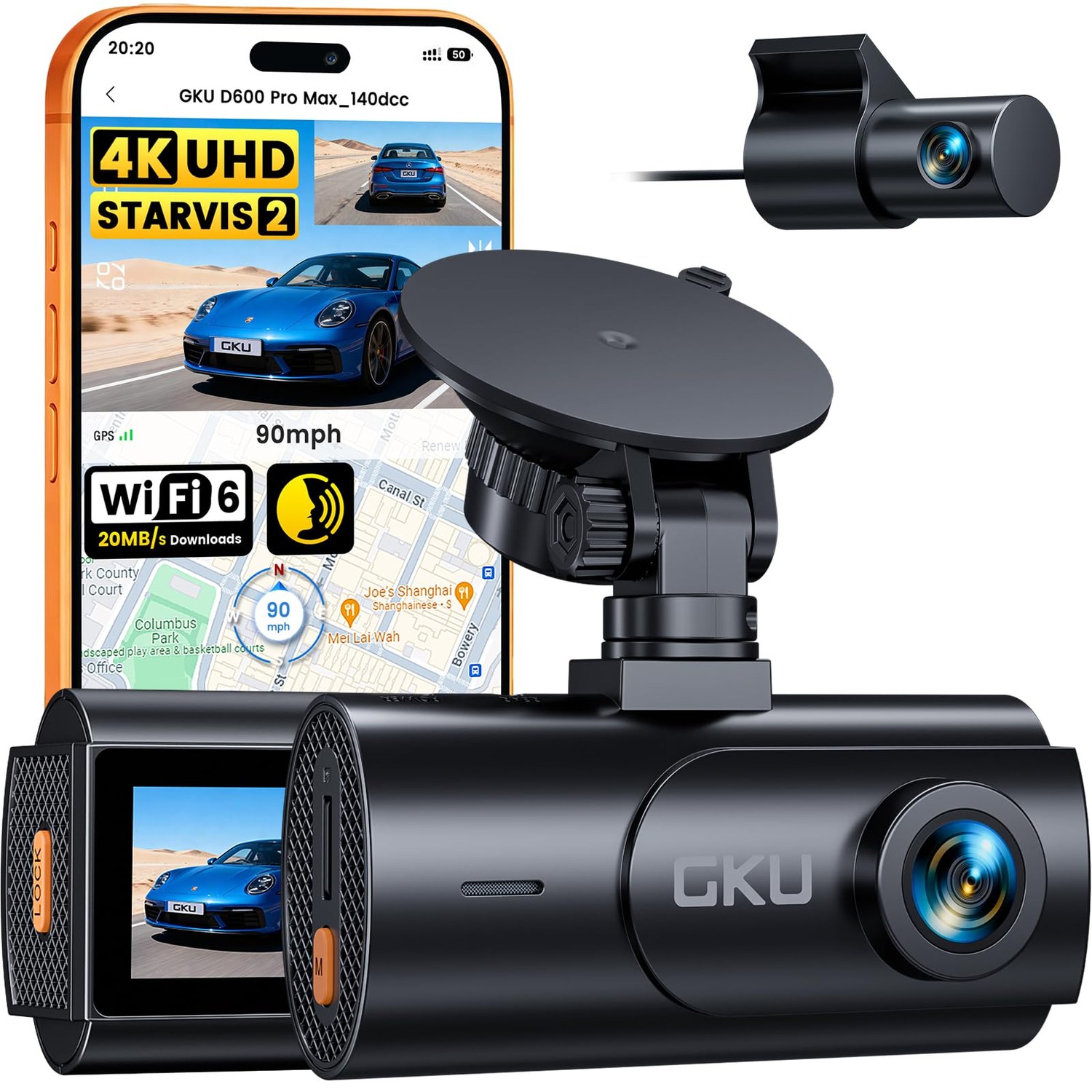
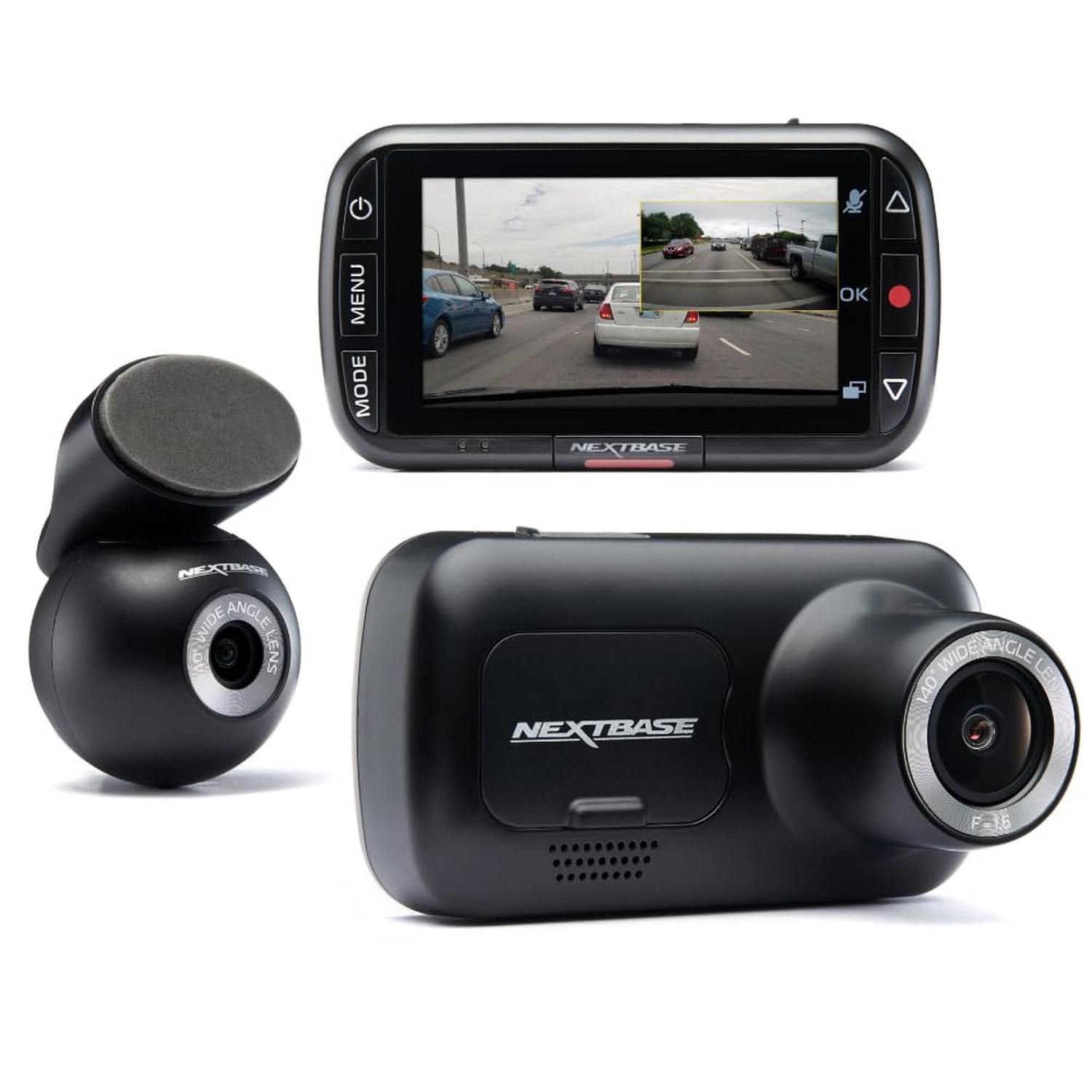
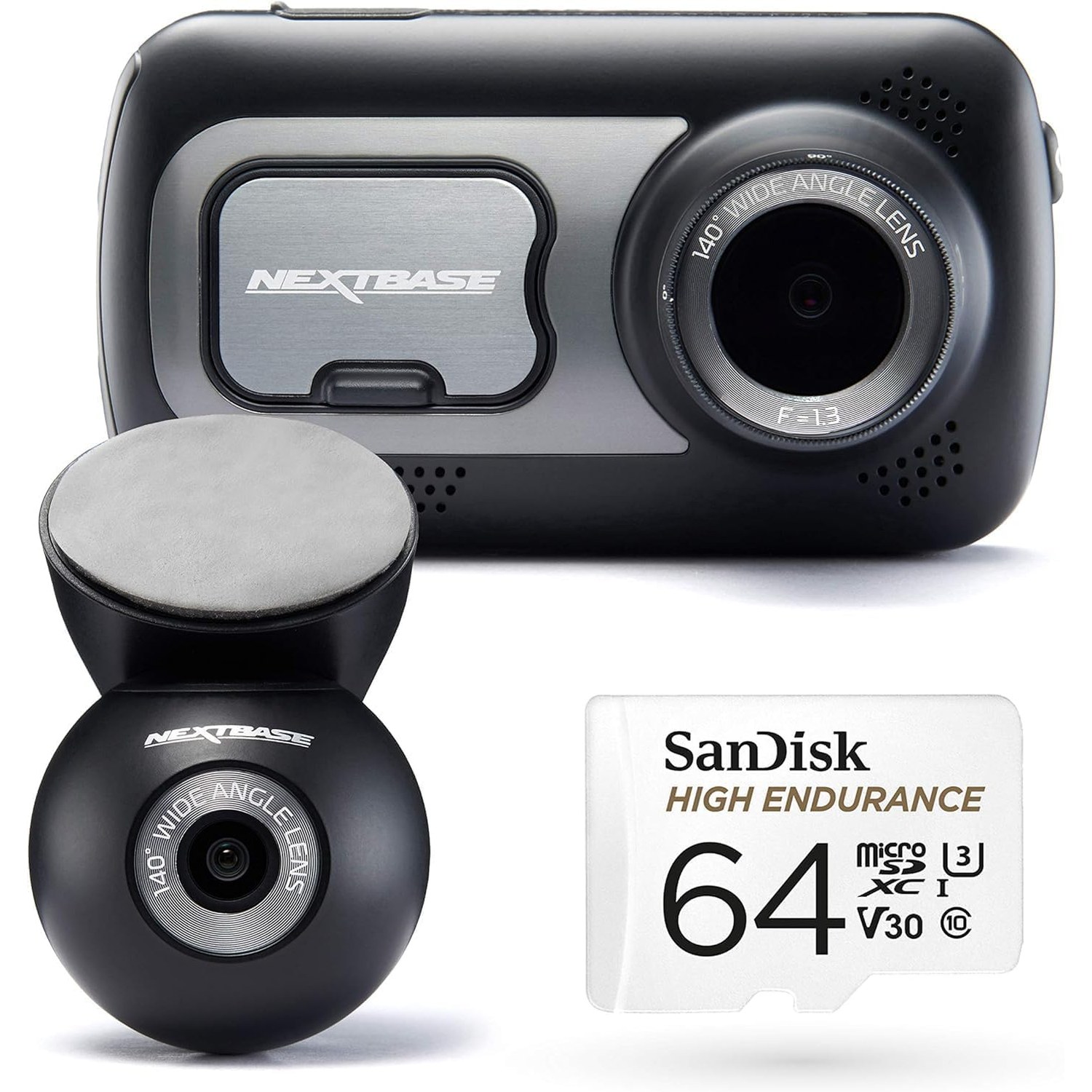
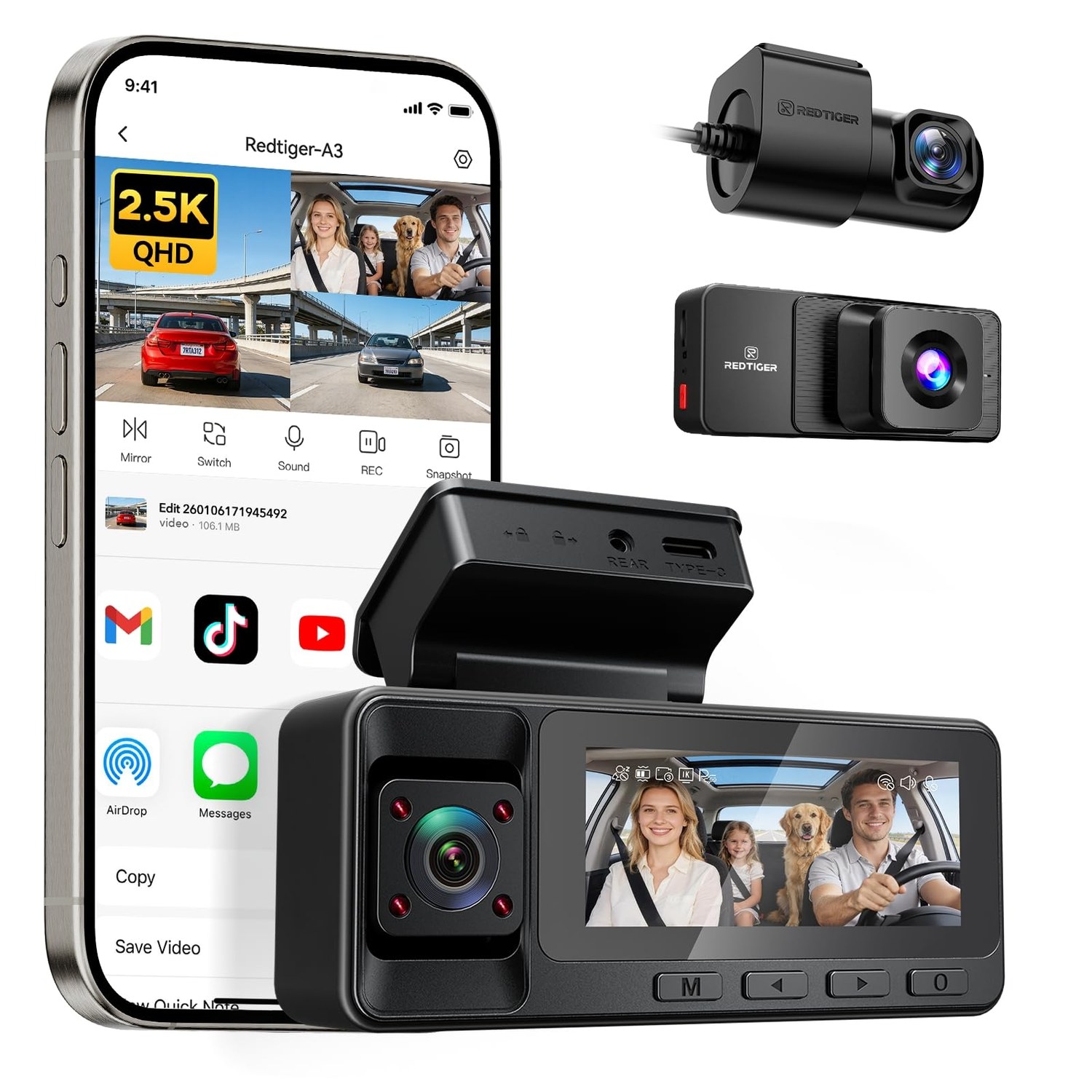
DriveWatch stocks front and rear dash cams from 4K flagship models to compact everyday cameras — every one with night vision, and most with 24H parking mode and GPS.
A dash cam only matters in the ten seconds after something goes wrong. Here's what to expect from every camera we stock.
Two cameras record simultaneously, so a rear-end shunt or a rear number plate is captured just as clearly as what's ahead of you.
Every model uses a low-light sensor and IR assist so number plates and faces stay readable after dark, not just a wall of headlight glare.
Most of our range keeps watching after you've locked up, waking automatically on impact or motion and recording the incident.
Footage records continuously and overwrites the oldest clips once the card fills, so you never have to think about storage.
An impact automatically locks that clip so it can't be looped over, keeping the footage you actually need safe on the card.
Pull footage straight to your phone over WiFi, and where GPS is fitted, every clip is stamped with your location and speed.
We stock 30 dash cams across every price point, from compact single-sensor cameras to multi-channel 360° rigs, and we check the specs on every listing ourselves.
Resolution, memory card size and included accessories are listed exactly as the manufacturer specifies — nothing rounded up or estimated.
From sub-£40 dual-channel cameras to multi-camera 360° systems over £250, so you can match the spec to what you actually need.
Fit it, test it on a few drives, and if it isn't right, send it back within 14 days under your statutory UK cancellation rights.
Every camera records front and rear (or more) with night vision. Free UK delivery on orders over £50.
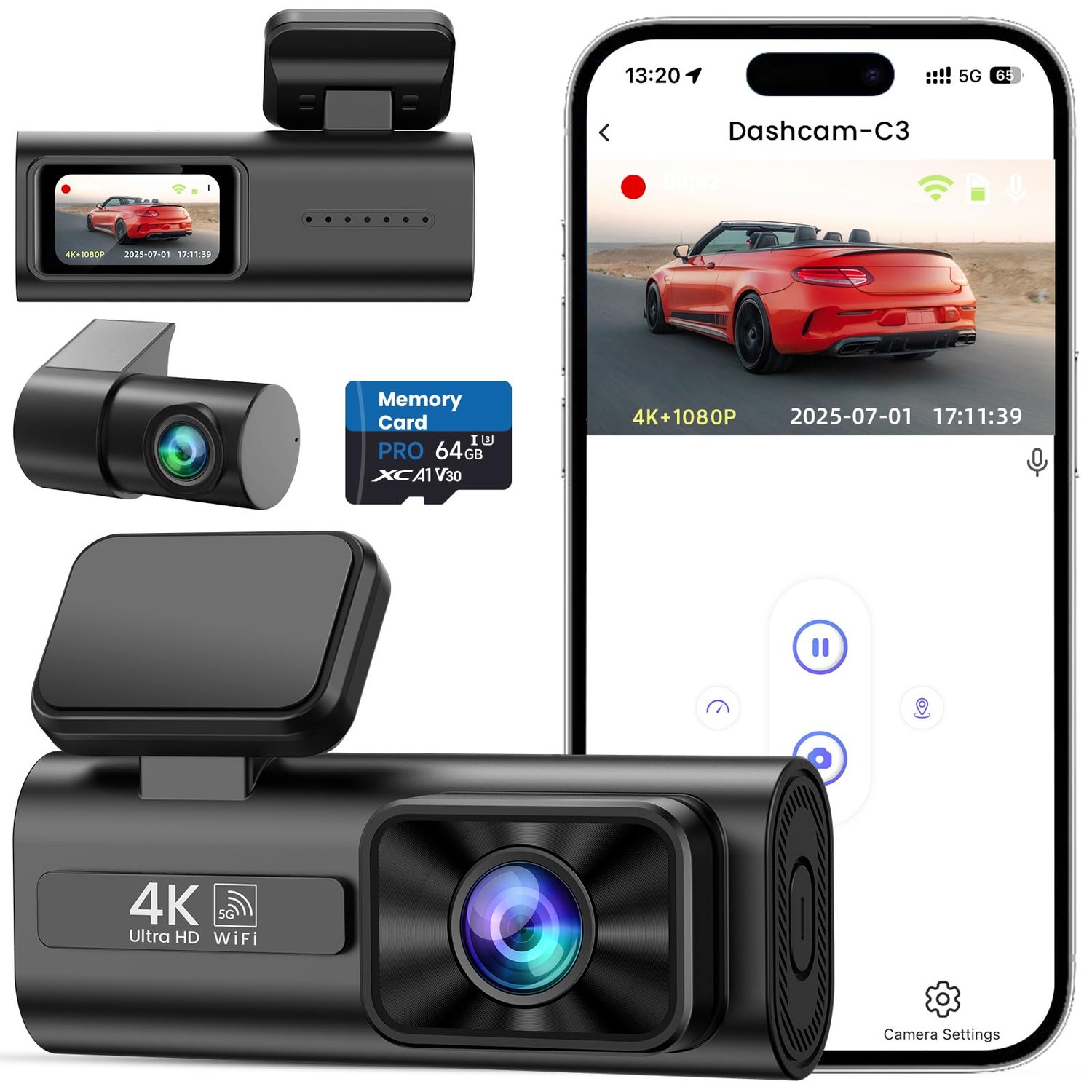
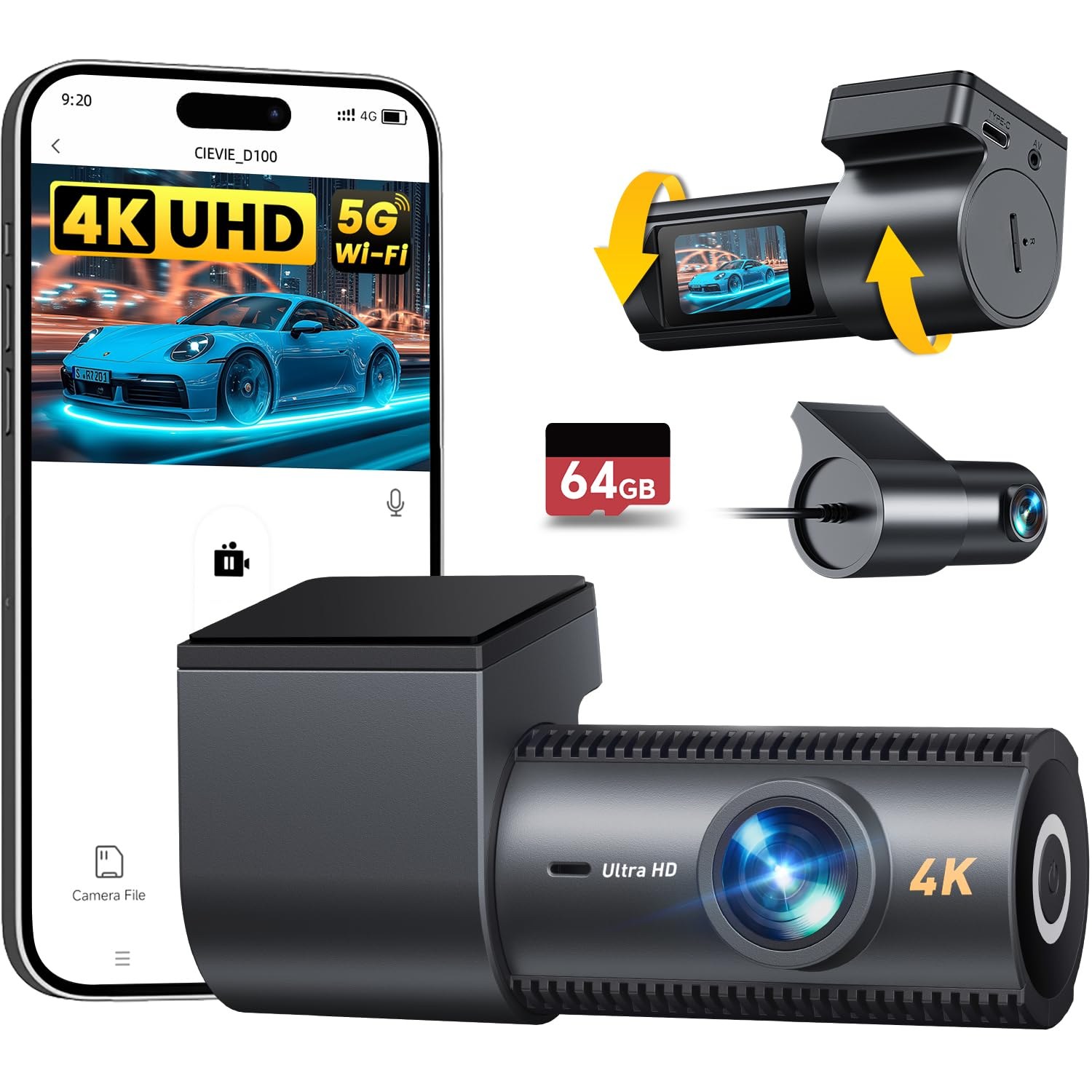
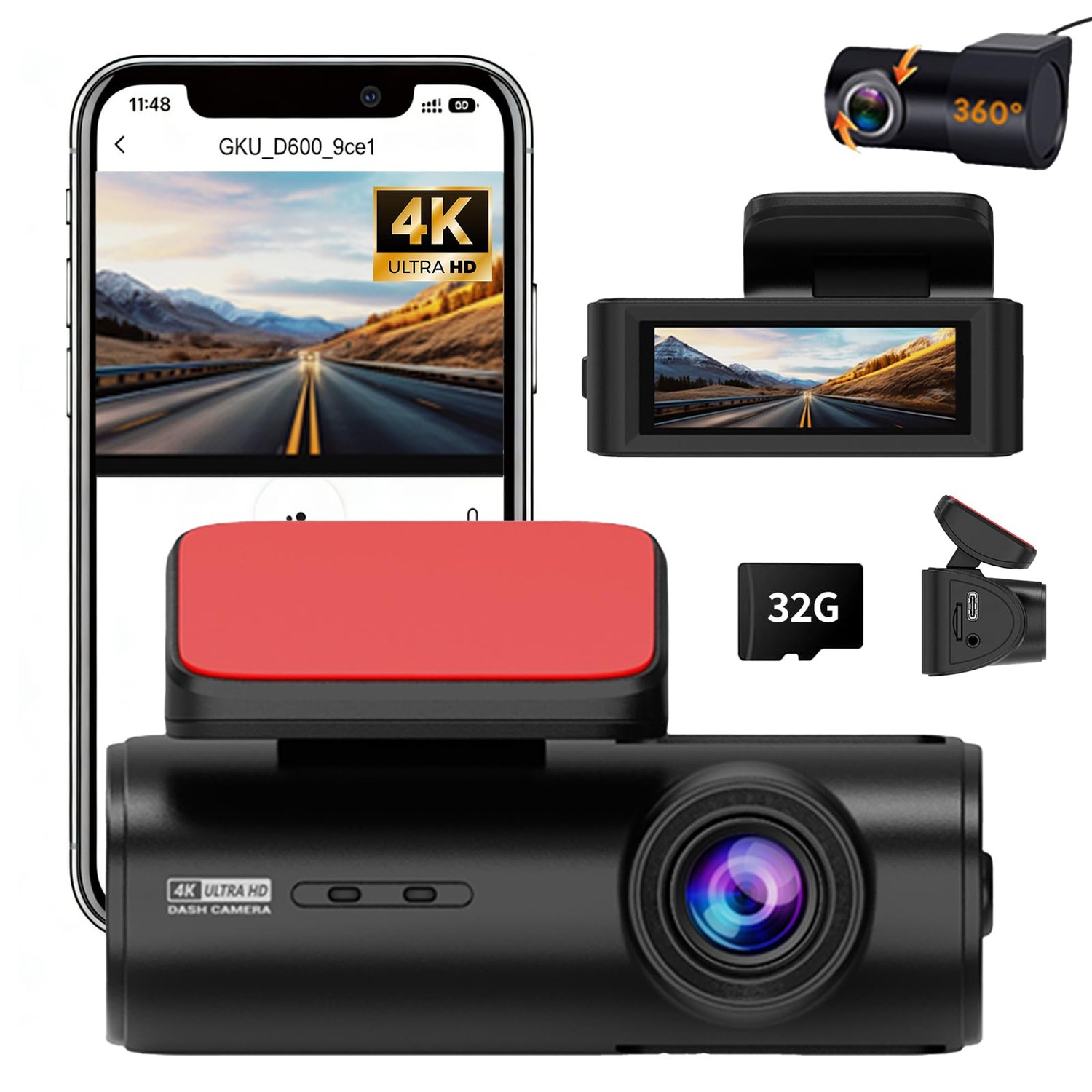
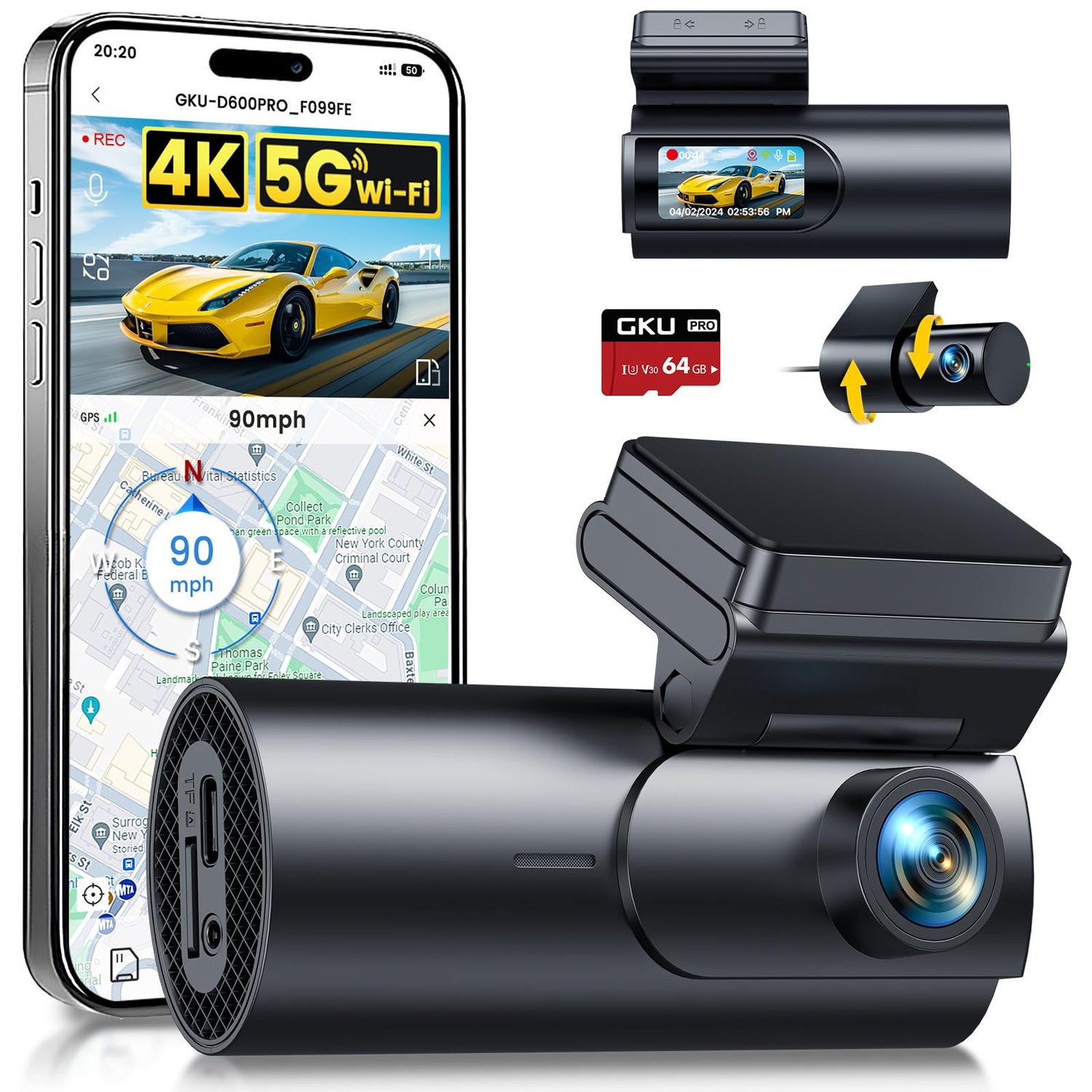
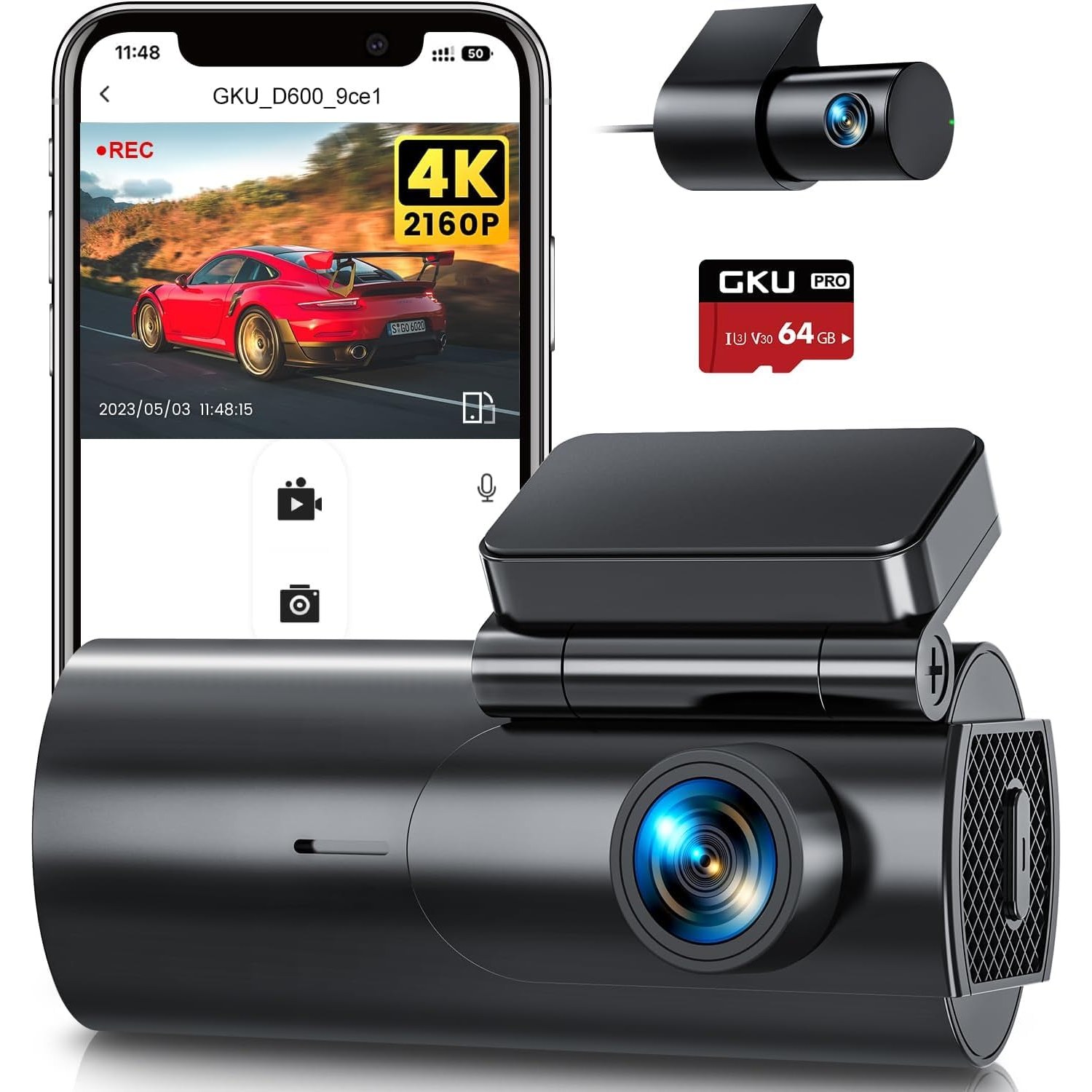
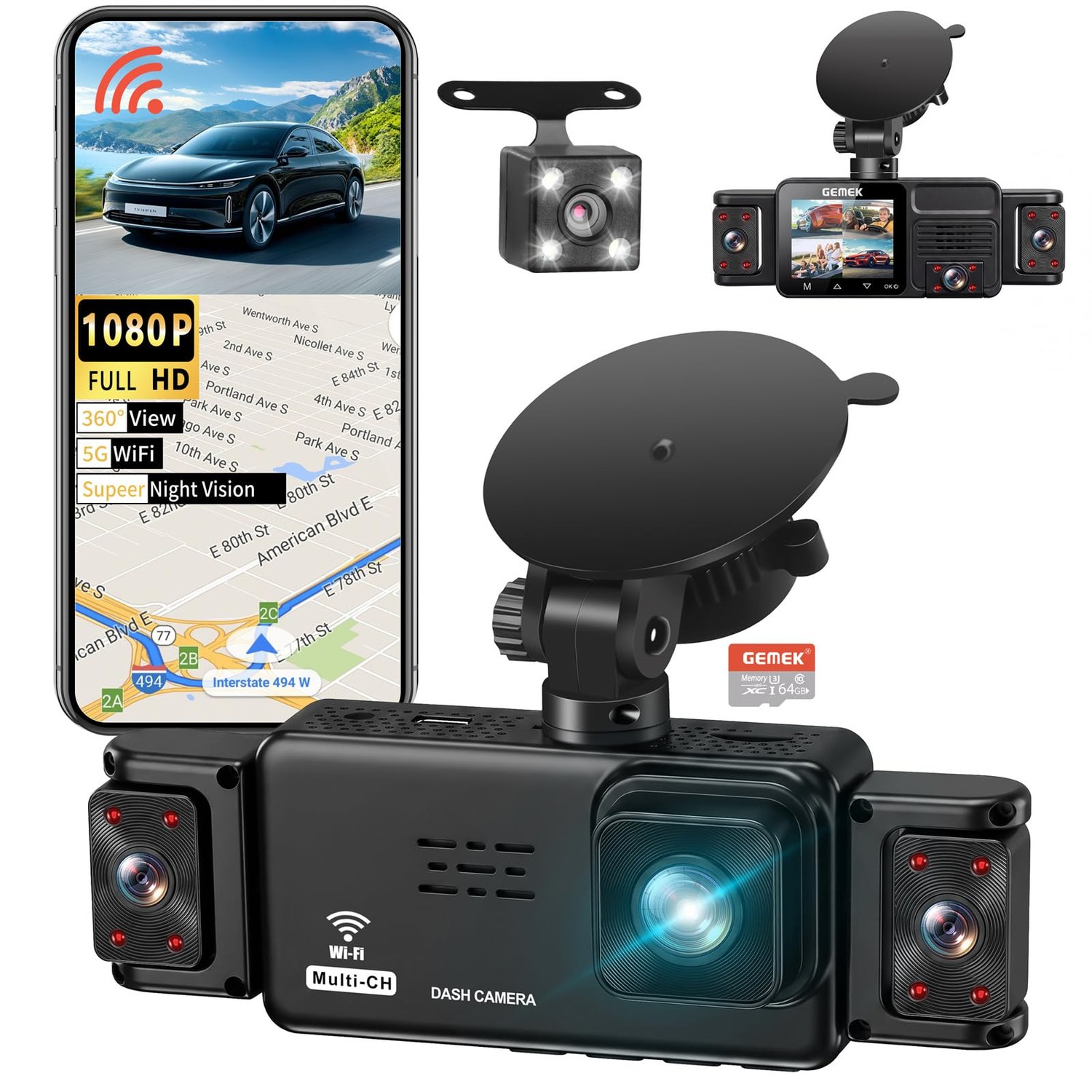
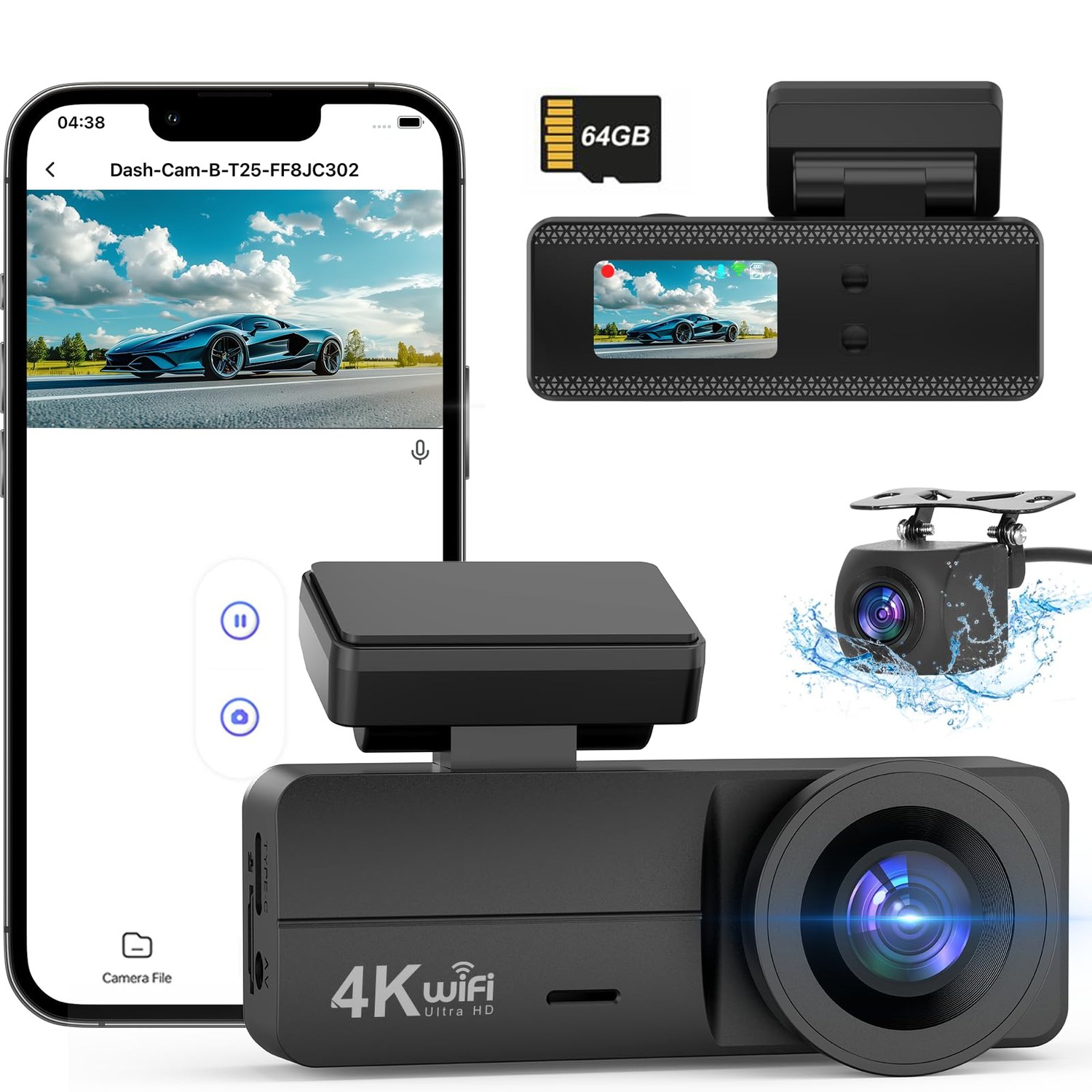
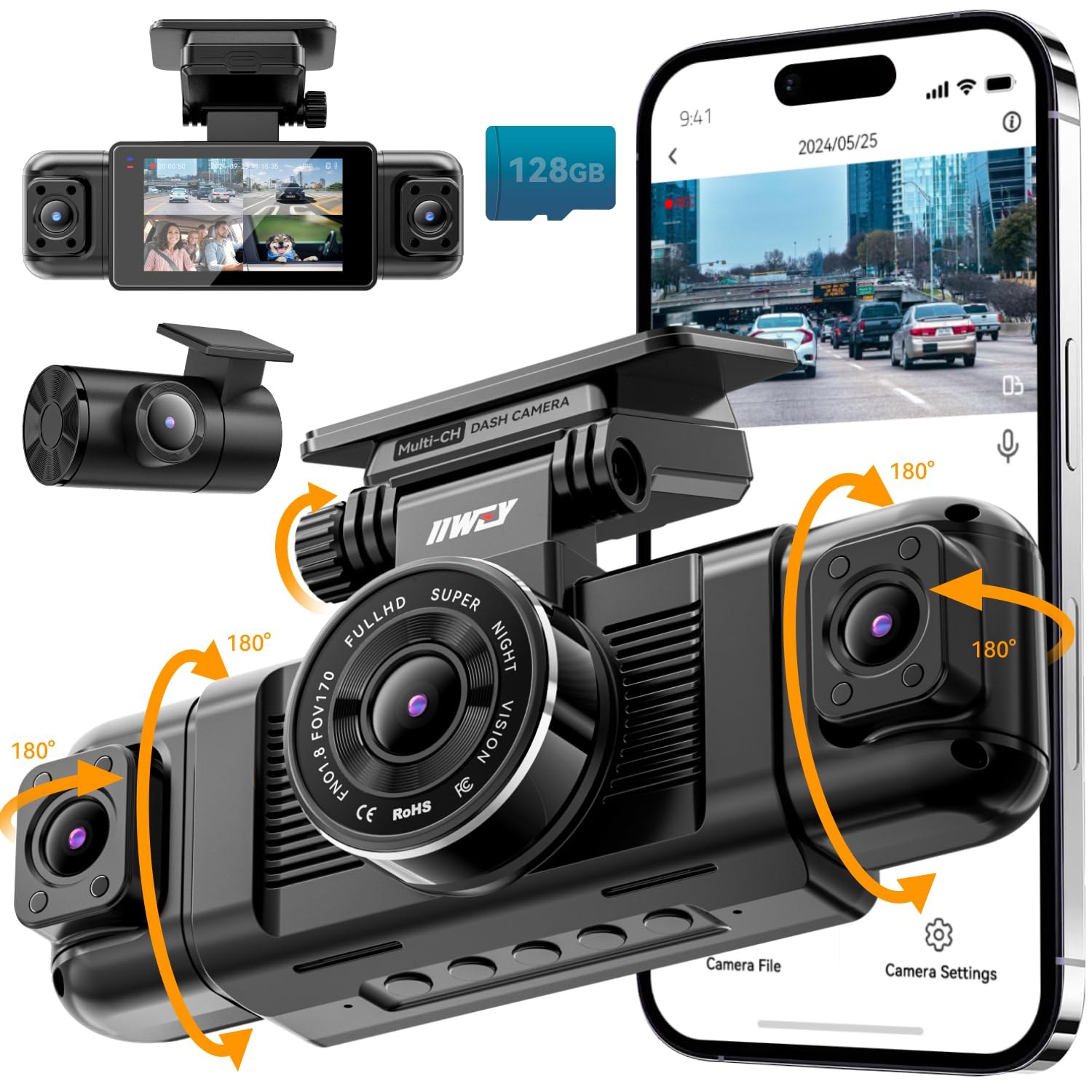
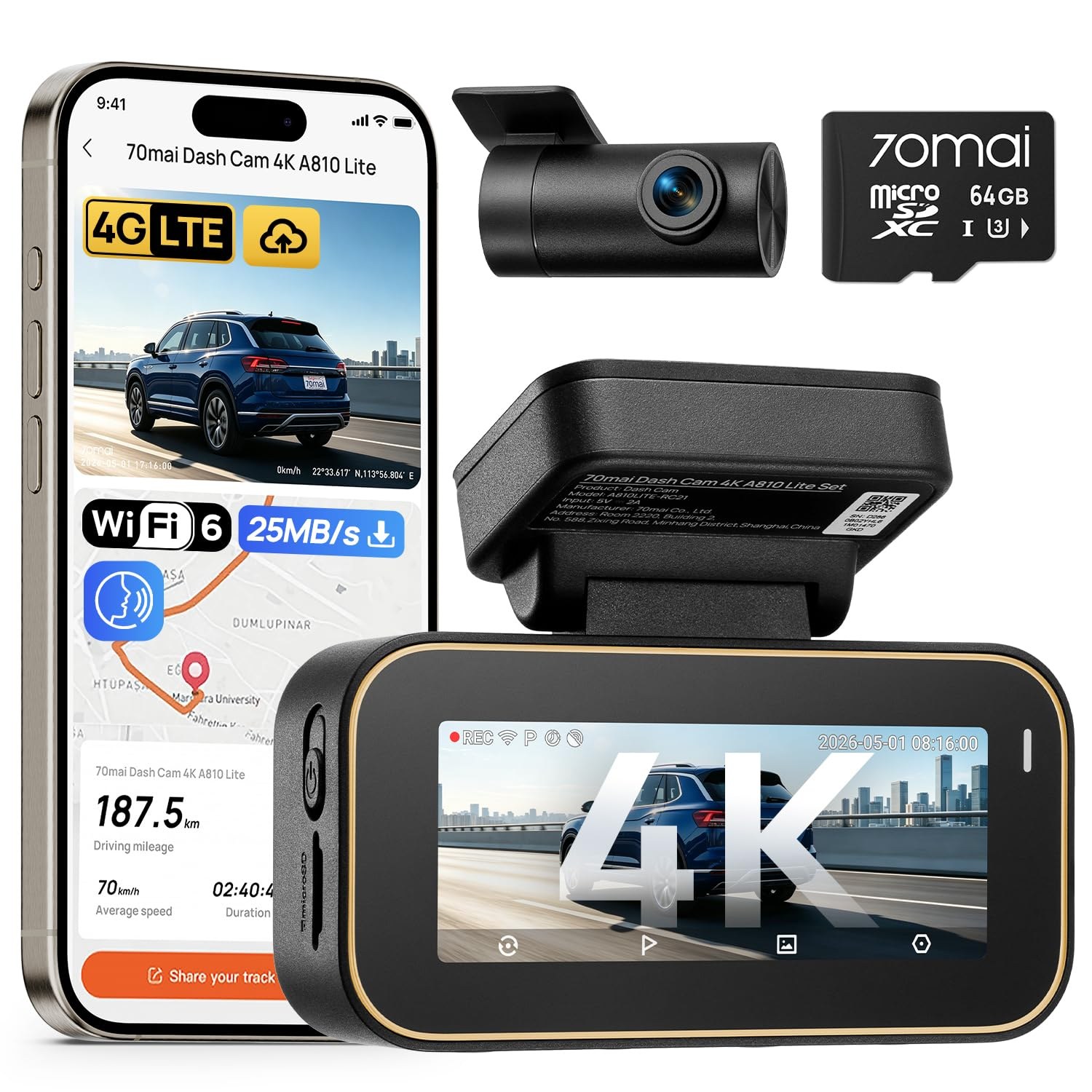
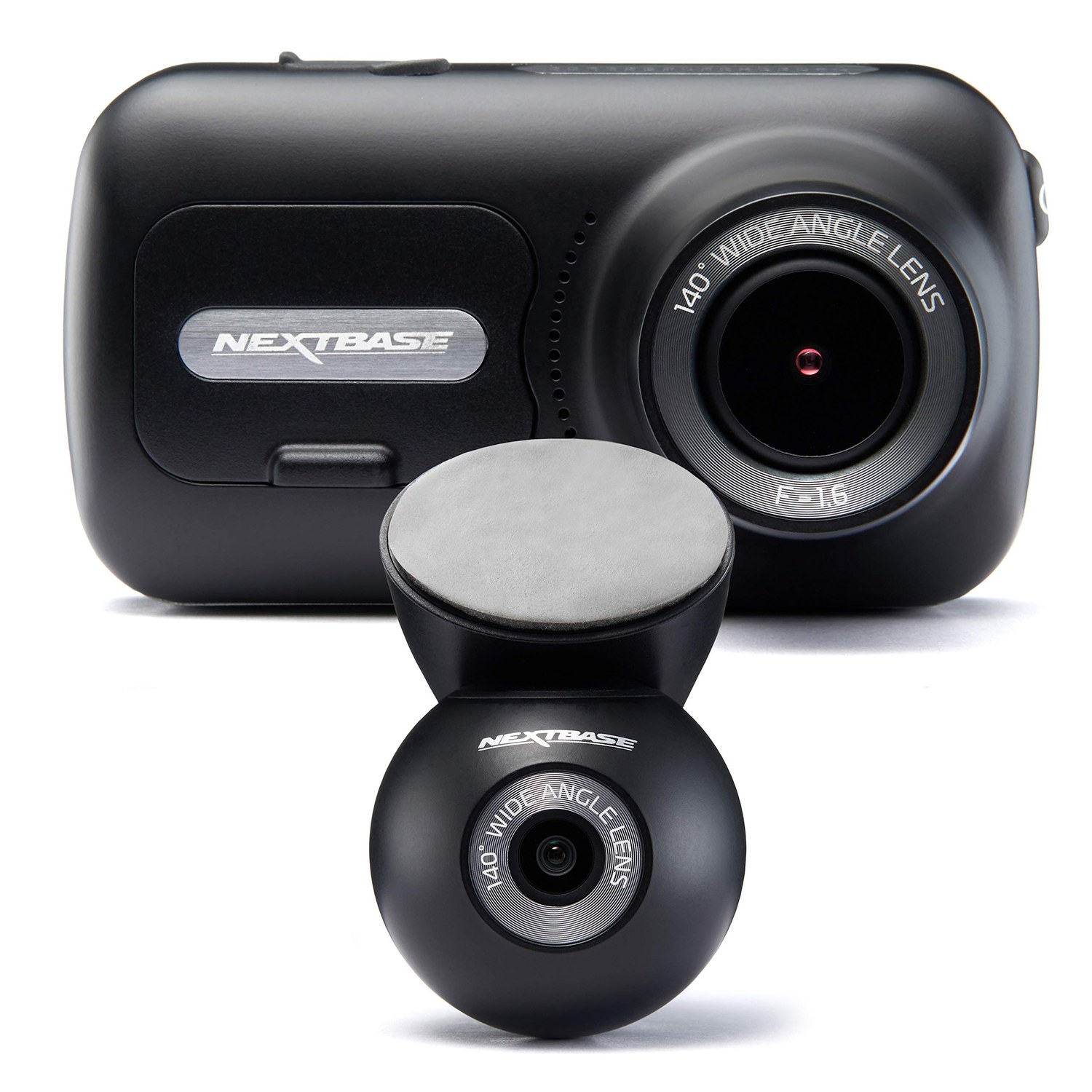
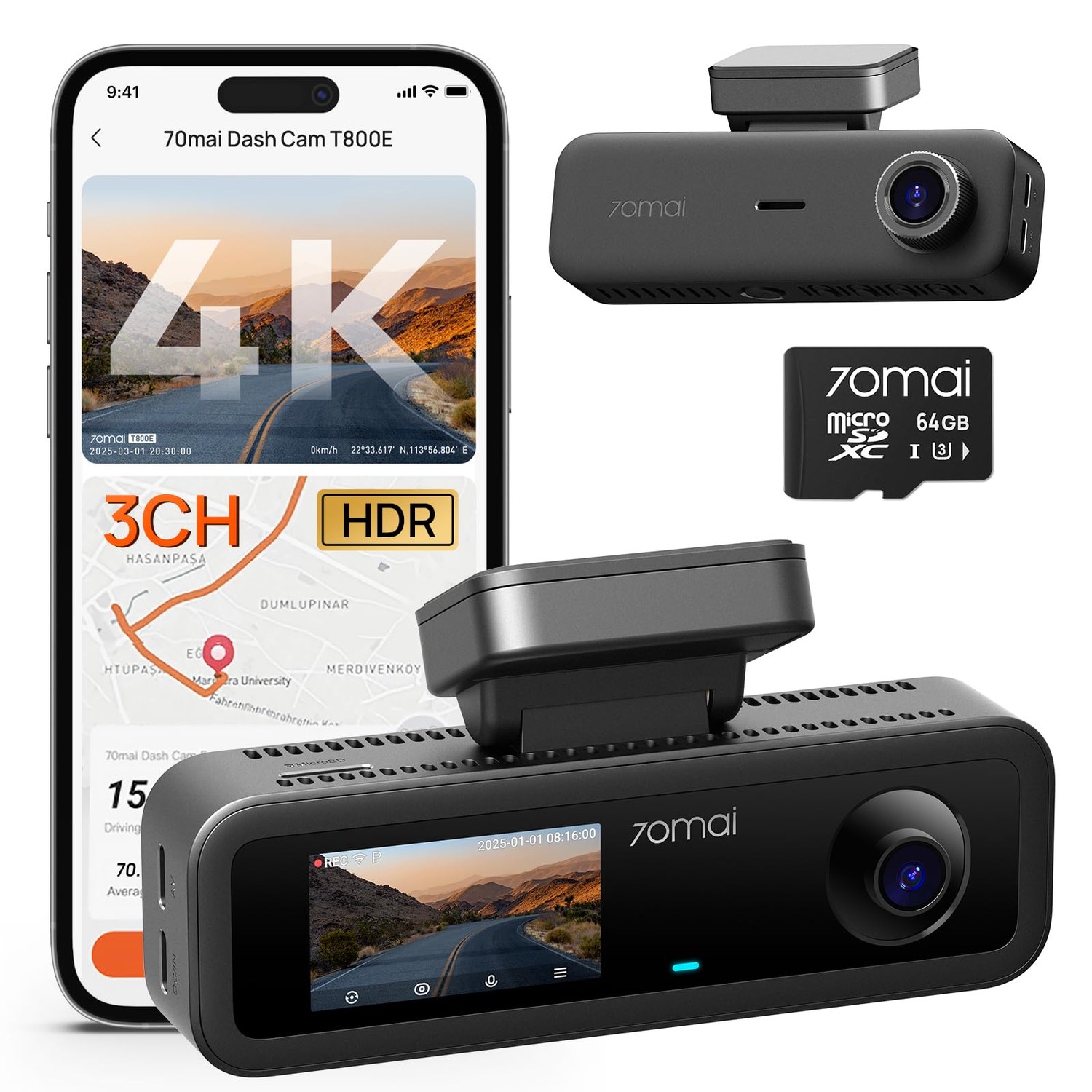
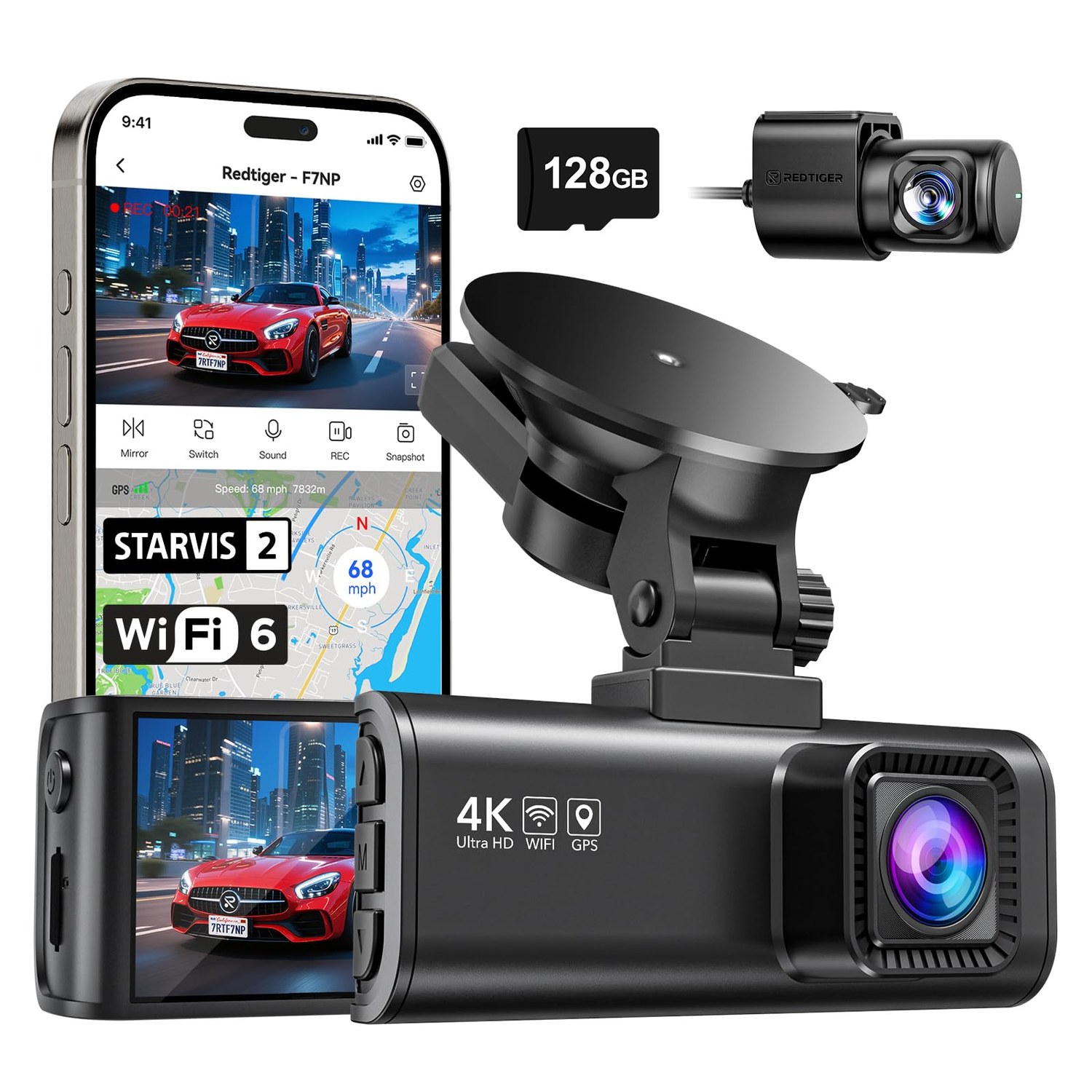
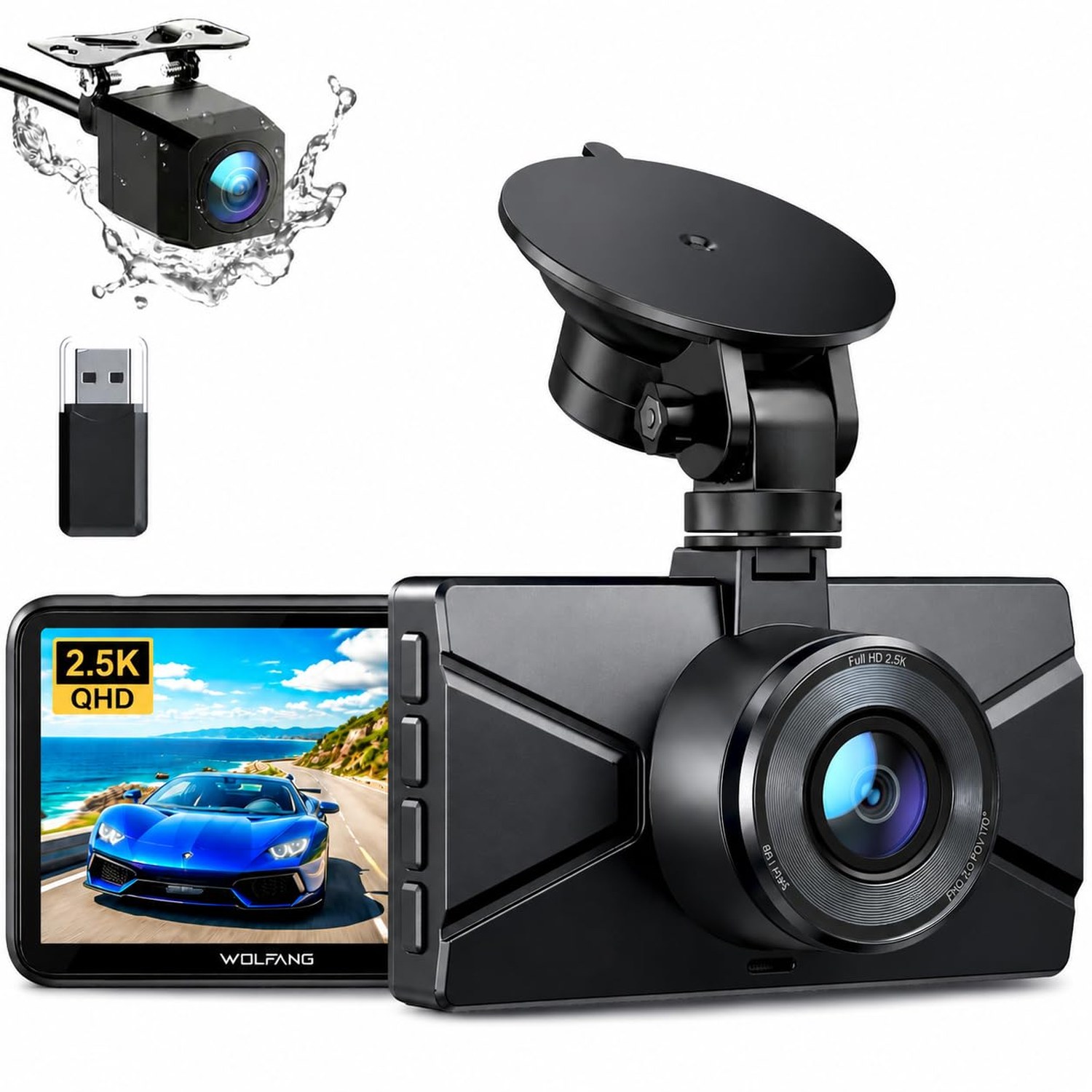
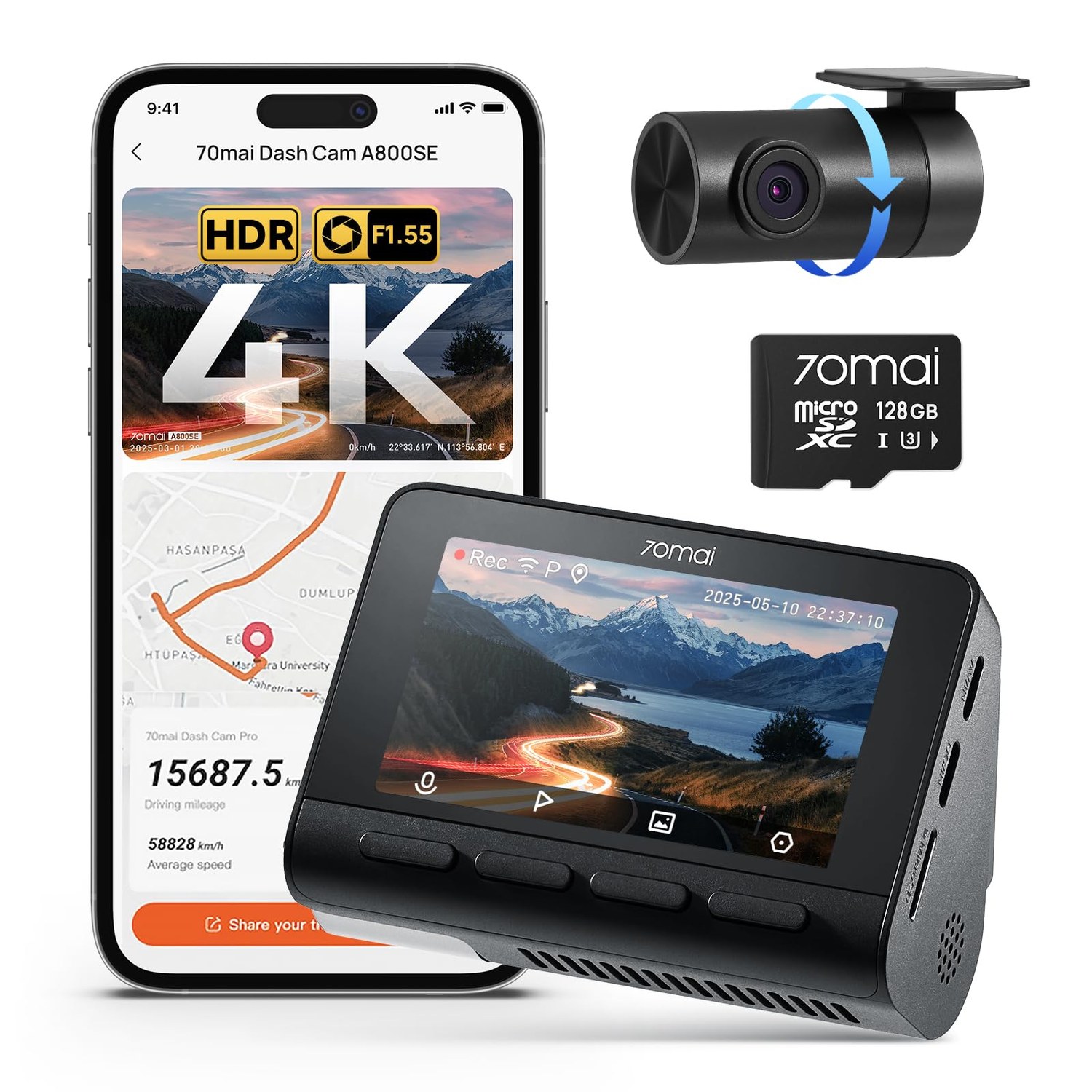
Yes. Dash cams are legal to use across the UK and are not treated as CCTV, provided the footage is for your own personal record of a journey rather than commercial surveillance. It's good practice to mention a dash cam is fitted if you're asked, but there's no requirement to display a sign or notify anyone in advance.
Some UK insurers offer a discount for a fitted dash cam and a few ask about one at renewal, though this varies by provider so it's worth checking your own policy. Even without a discount, footage from an incident can speed up a claim and help establish who was at fault.
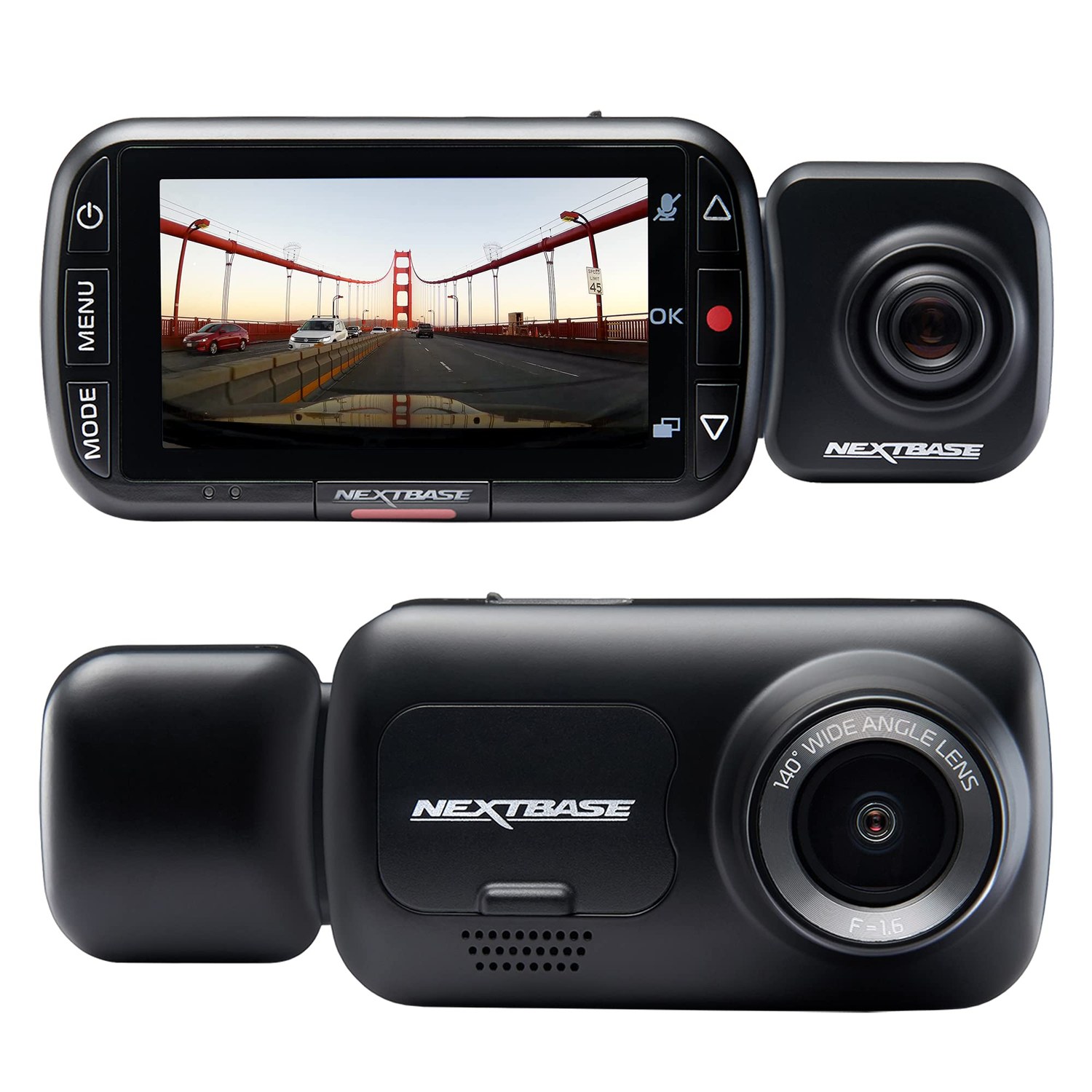
A front-only camera records what's ahead of your car. A front and rear (dual-channel) camera adds a second lens, usually mounted on the rear windscreen, so it also captures what happens behind you — useful for rear-end shunts, reversing incidents, or a hit-and-run in a car park. Every dash cam we stock records both.
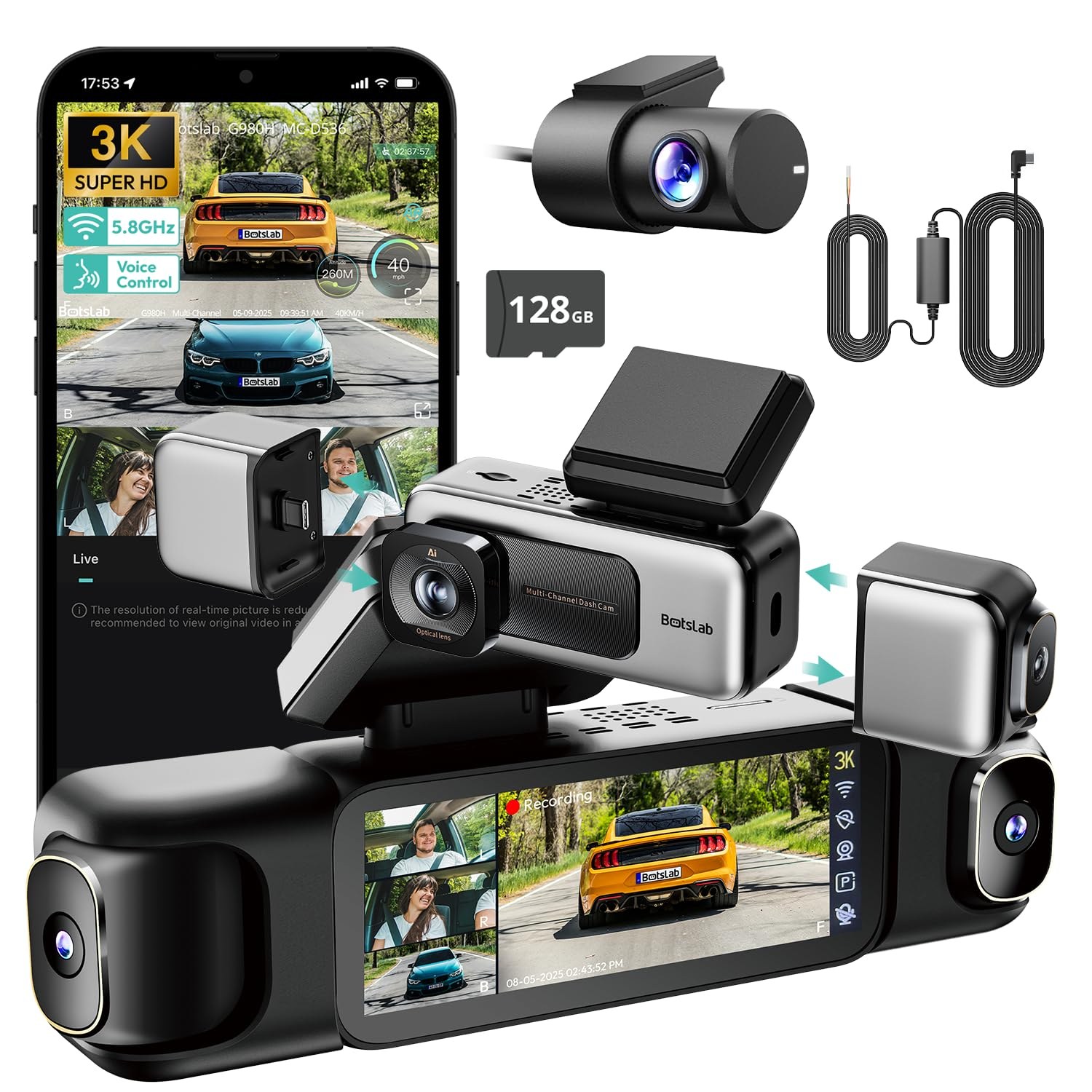
A 3-channel system adds a third lens, usually facing into the cabin, useful for rideshare or fleet drivers who want a record of what happened inside the car. 4 and 5-channel systems add side or 360° cameras for full-perimeter coverage. Check each product page for the exact camera layout.
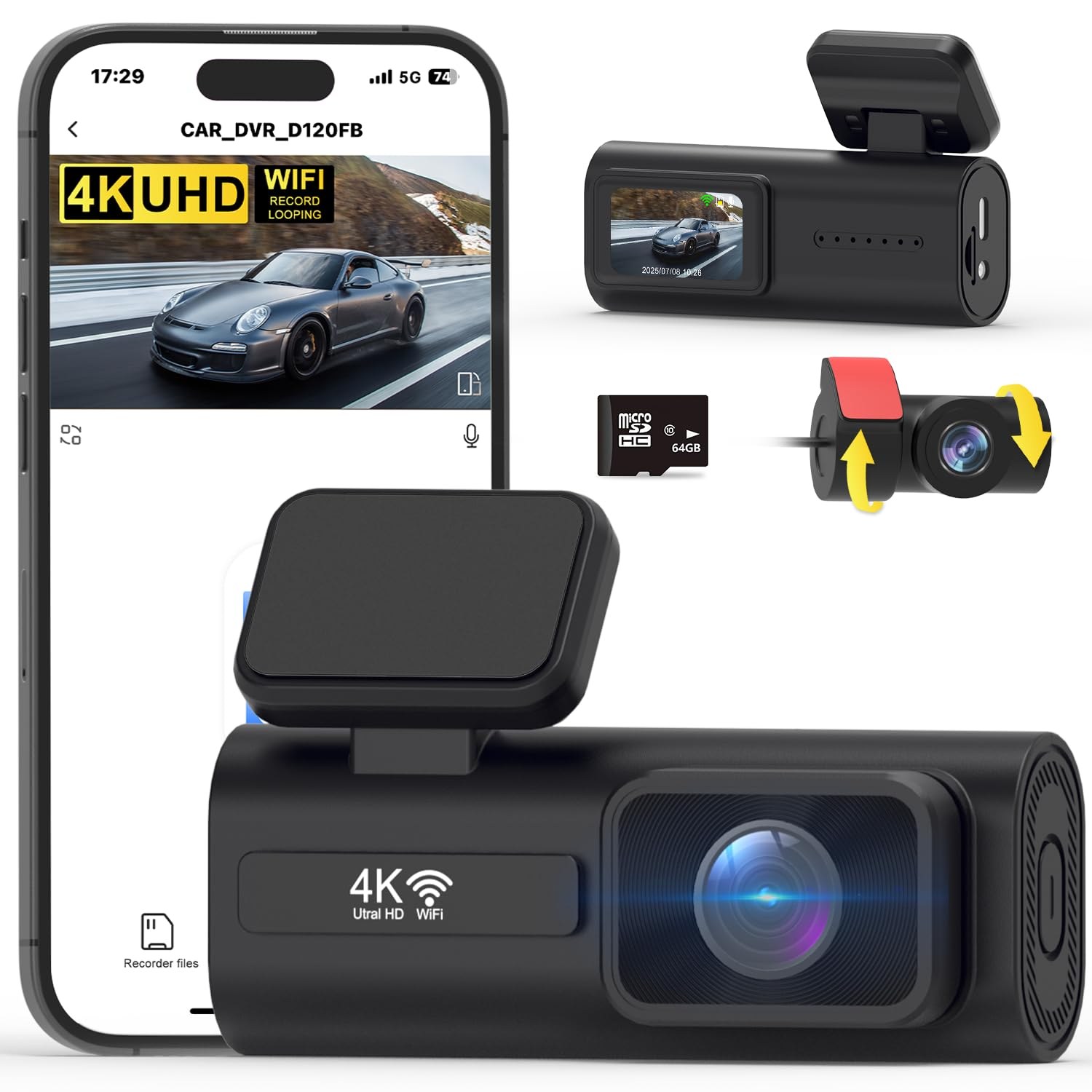
Higher resolution makes number plates and road signs easier to read back, especially at a distance or at night. 1080p is a solid, affordable baseline; 2.5K/1440P is a noticeable step up in plate legibility; 4K gives the sharpest detail but produces larger files, so pair it with a bigger memory card. The rear camera is often a lower resolution than the front on dual-channel cameras — check the individual listing.
Most of our dash cams include a card (commonly 32GB or 64GB) sized for several hours of loop recording, and the maximum supported card size is listed on each product page. Recording in 4K or across multiple channels fills a card faster, so if you drive long distances daily, consider using the largest card the camera supports.
Loop recording splits footage into short clips (typically 1-3 minutes) and automatically overwrites the oldest, unlocked clip once the card is full. That means the camera never stops recording and you never have to manually clear space — it just keeps the most recent footage on hand at all times.
A G-sensor detects sudden changes in motion, like braking hard or an impact. When it triggers, the camera automatically locks that clip so it's protected from being overwritten by loop recording, keeping the footage that actually matters safe until you retrieve it.
With parking mode enabled, the camera stays in standby while your car is off and wakes automatically if it detects motion or an impact nearby, recording a short clip. Cameras with a built-in battery or supercapacitor can do this on their own for a limited time; for continuous, always-on protection you'll usually need a hardwire kit connected to your car's fuse box.
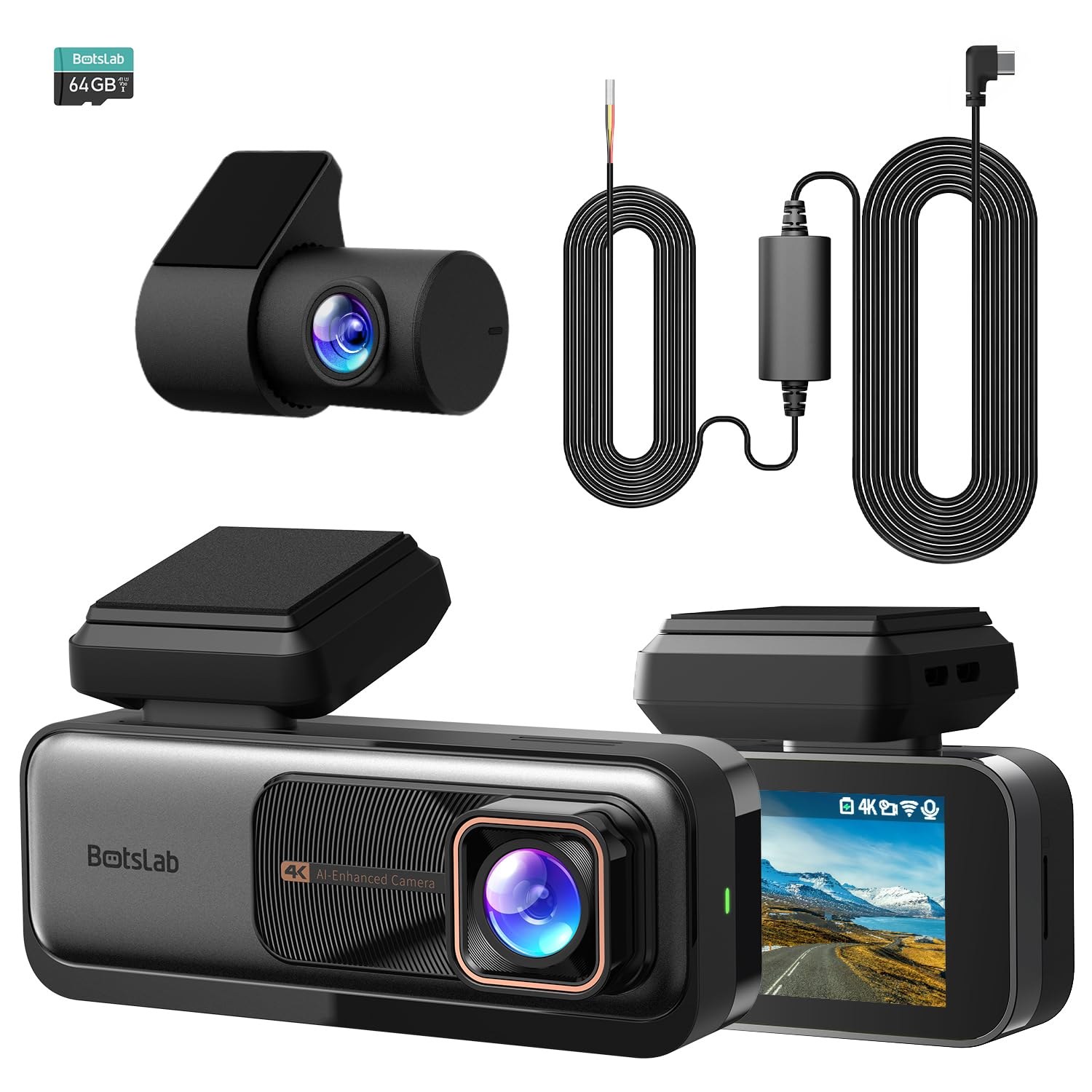
Only if you want parking mode to run for extended periods while the car is off. A hardwire kit taps into a fused, low-voltage circuit so the camera can monitor the car without draining the main battery. Some of our cameras include one; on others it's an optional accessory. Without it, most cameras still run fine from the car's cigarette lighter socket whenever the engine is on.
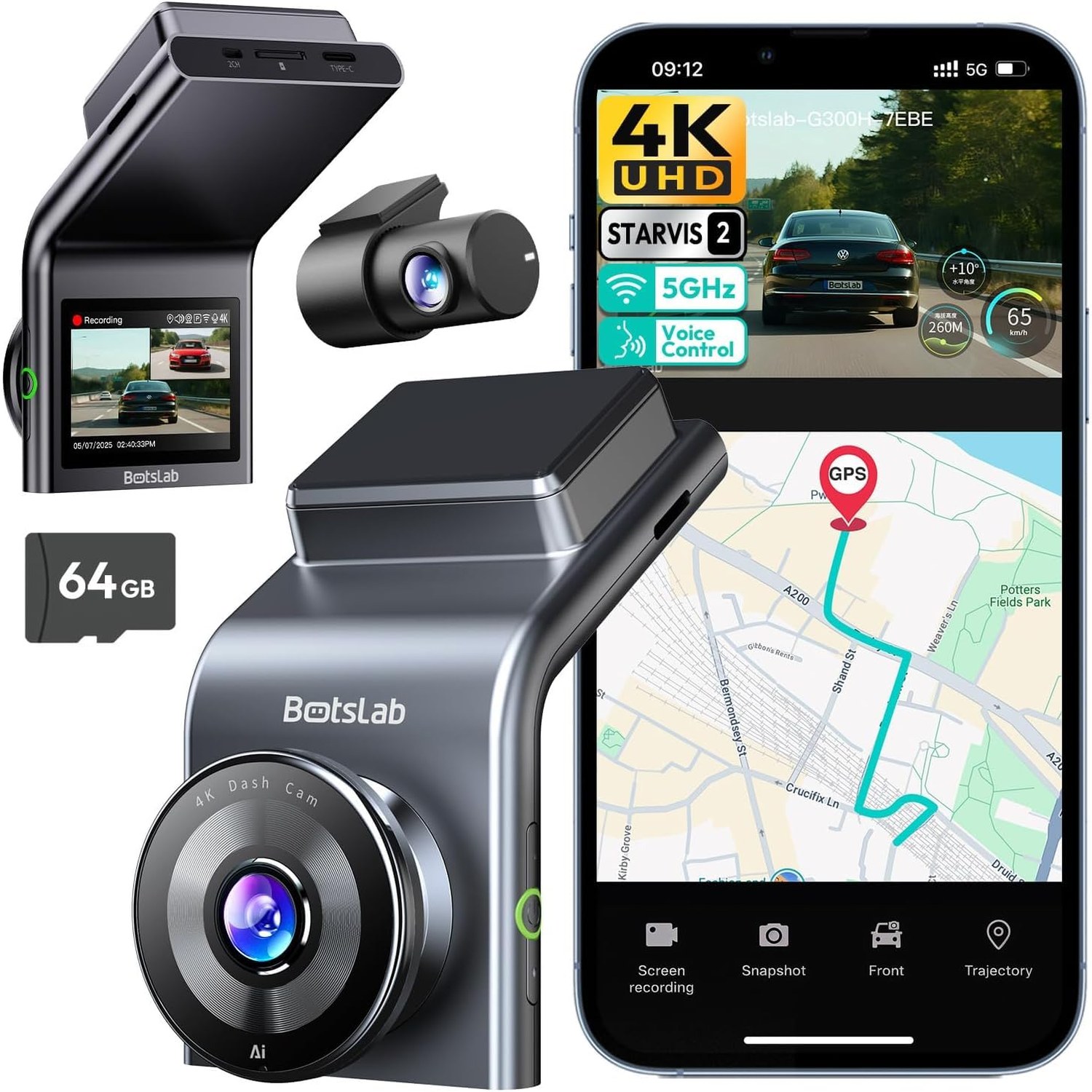
A built-in GPS module stamps each clip with your location, route and speed, which can be useful evidence after an incident and helps confirm exactly where and when something happened. Not every camera in our range has GPS built in — check the individual product page, as some use an external GPS module or don't include one at all.
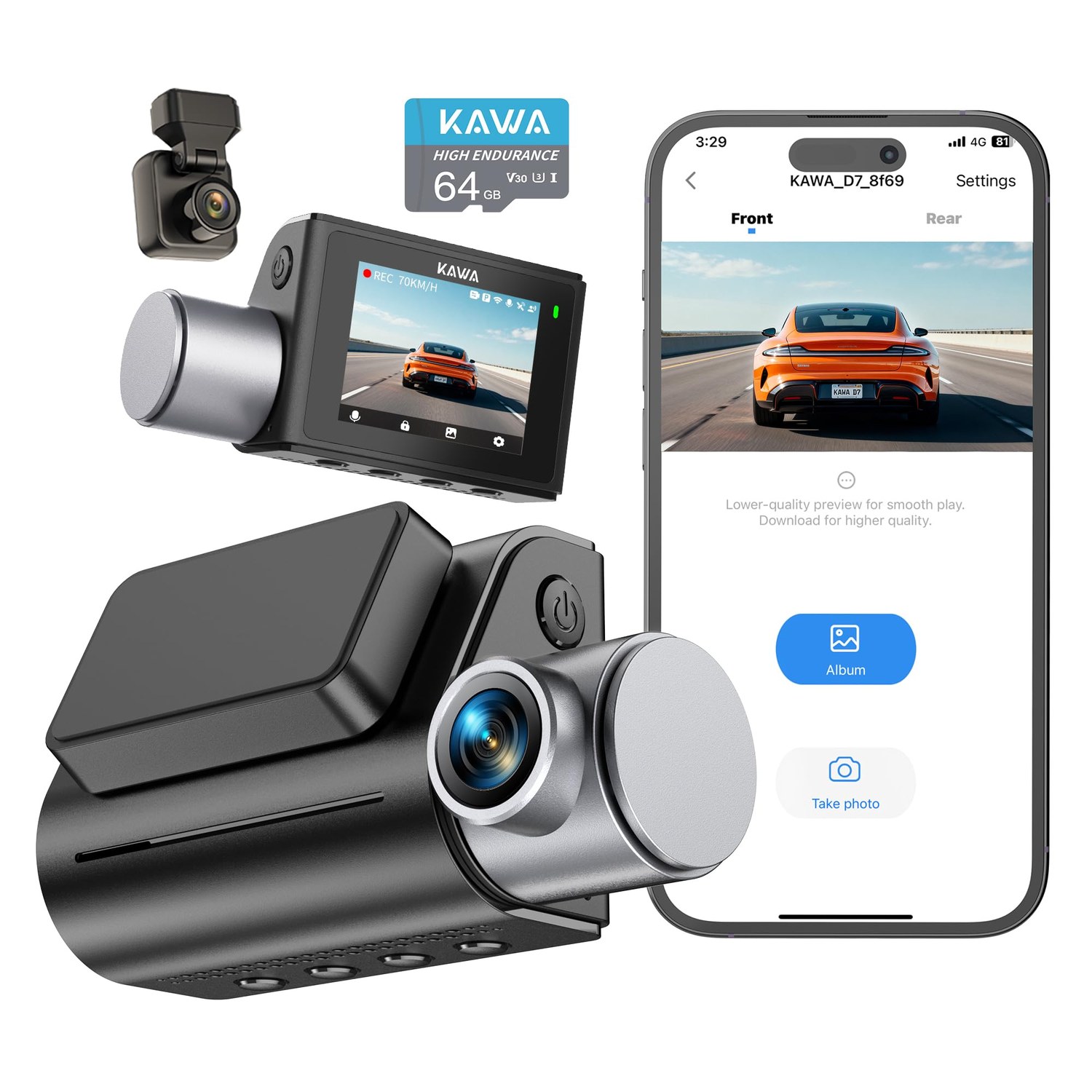
Most of our cameras broadcast their own WiFi hotspot that a companion phone app connects to directly — no home network or mobile data required. From the app you can view a live feed, change settings and pull clips straight to your phone to save or share, without removing the memory card.
No — dash cam night vision relies on a more light-sensitive sensor (and sometimes infrared assist) plus WDR/HDR processing that balances bright headlights against dark surroundings, so plates and faces stay readable instead of being blown out or lost in shadow. Every camera we list includes some form of night vision, but sensor quality varies by model and price point.
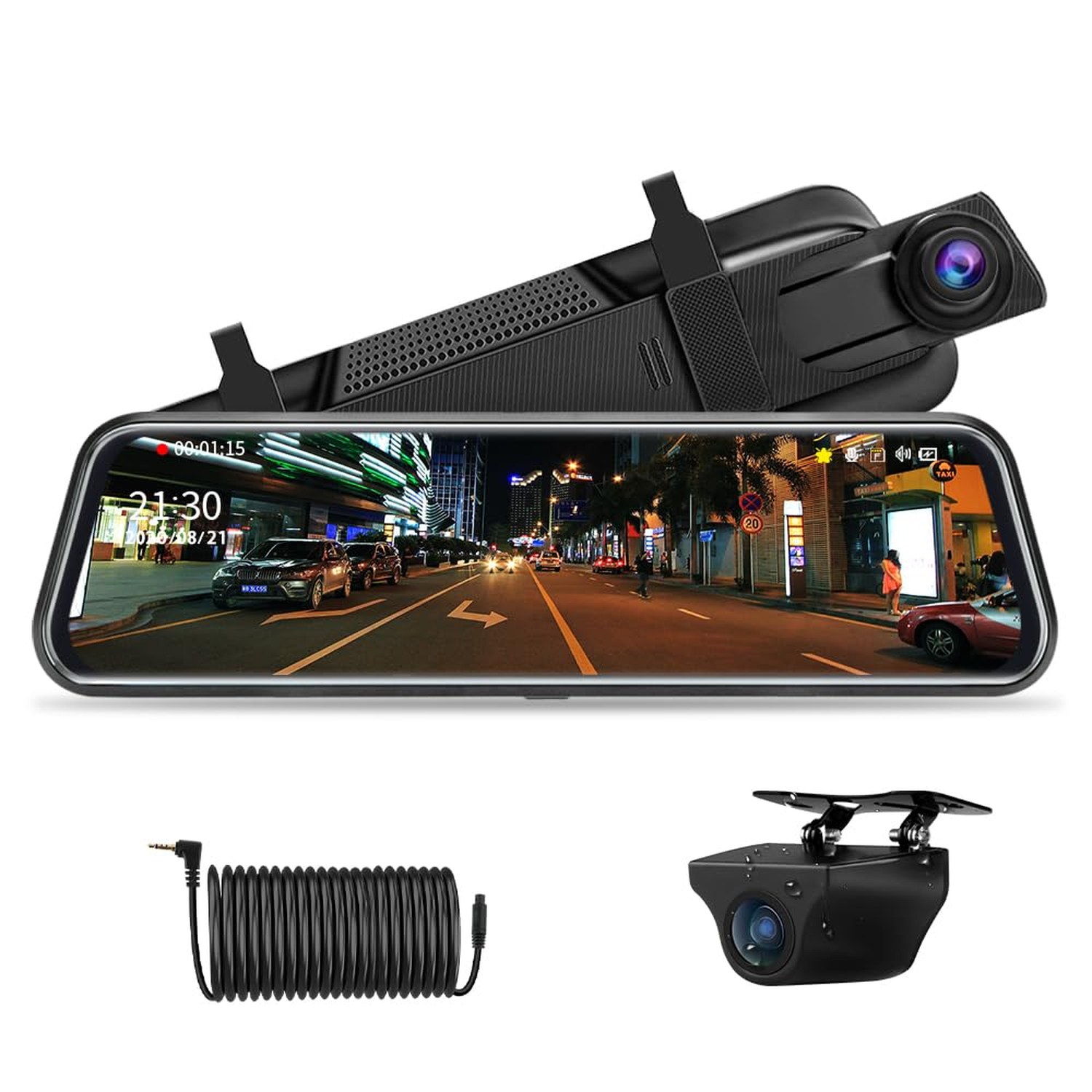
A mirror dash cam clips over your existing rearview mirror and doubles as a screen, showing the live camera feed (and often a live rear-camera feed too) instead of the ordinary mirror reflection. It's a tidy option if you'd rather not have a separate screen or camera body on your windscreen.
Yes. Most dash cams mount to the windscreen with an adhesive or suction bracket and run on power from the 12V socket, which is a straightforward job with no tools needed. Wiring a hardwire kit into the fuse box for parking mode is more involved — if you're not confident routing cables behind trim, an auto electrician can fit it quickly.
Mount the front camera behind the rearview mirror, within the area cleared by your windscreen wipers, so it doesn't obstruct your view or fall foul of the MOT windscreen zone rules. The rear camera typically mounts at the top or bottom of the rear windscreen, angled to capture the road behind.
2.5K and 1440P refer to the same resolution tier (roughly 2560×1440), sitting between Full HD 1080p and 4K (3840×2160). In practice, each step up shows finer detail at distance — most useful for reading a number plate three or four cars ahead — but also produces a larger video file for the same length of footage.
Many dash cams include a built-in microphone that records audio alongside video, which can usually be switched off in the settings if you'd rather not record in-cabin conversation. Check the individual listing for microphone details.
Running from the 12V socket while driving draws negligible power. If you enable 24H parking mode via a hardwire kit, most kits include low-voltage cutoff protection that stops recording before the car battery is drained too far — check the specific hardwire kit's spec if this matters to you.
UK delivery is free on orders of £50 or more, with a flat £5.99 charge under £50. We dispatch within one business day and most orders arrive within 2 to 4 business days, with tracking sent to you by email once your parcel is on its way.
If your dash cam isn't right for you, get in touch within 14 days of delivery under your statutory Consumer Contracts Regulations right to cancel, and we'll arrange a return or refund. The camera should be returned in its original packaging with all included accessories. Full details are in our Shipping & Returns policy.
Every dash cam does the same basic job — record the road so you have evidence if something goes wrong — but the details vary a lot between a £40 single-camera unit and a £250 four-channel system. This guide walks through the choices that actually matter: how many cameras you need, what resolution buys you, how parking mode and hardwire kits work, and what to check before you buy.
A front-only dash cam covers the road ahead — useful, but it misses anything that happens behind you, like a rear-end shunt or a hit-and-run while parked. A front and rear (dual-channel) camera adds a second lens on the rear windscreen and is the minimum most drivers should consider, since a meaningful share of insurance disputes involve the rear of the car.
3, 4 and 5-channel systems go further, adding a cabin-facing lens (common for rideshare and delivery drivers who want a record of what happens inside the car) and side cameras for full 360° coverage. More channels mean more evidence, but also more cables to route and a bigger memory card requirement.
Resolution determines how much detail you can make out when you zoom in on the footage later — most importantly, whether a number plate a few car-lengths away is actually legible. Full HD 1080p is a capable, budget-friendly baseline. 2.5K/1440P is a clear step up in plate legibility at distance. 4K delivers the sharpest detail of the three, at the cost of larger file sizes, so it pairs best with a larger memory card and a camera that can handle the higher bitrate.
On dual and multi-channel systems, it's common for the front camera to record at a higher resolution than the rear or side cameras — check the spec on each product page rather than assuming every lens matches.
After dark, resolution alone doesn't guarantee a usable clip — a cheap sensor will either wash out under headlights or lose everything to shadow. Better dash cams pair a more light-sensitive image sensor with WDR or HDR processing to balance bright and dark areas in the same frame, keeping plates and faces readable in low light. This is worth prioritising if a meaningful share of your driving happens at night.
Parking mode keeps the camera watching after you've locked the car, waking automatically on motion or impact. Some cameras manage a limited period of this on their own battery or supercapacitor. For all-day, always-on coverage, you'll want a hardwire kit — a cable that taps into a fused, low-voltage circuit in the fuse box, usually with built-in low-voltage cutoff so it stops recording before your car battery is drained too far. A handful of the cameras we stock include a hardwire kit; on others it's a separate accessory.
Loop recording is what makes a dash cam maintenance-free: footage is saved in short clips, and once the card fills, the oldest unlocked clip is automatically overwritten. A G-sensor protects footage from a genuine impact by locking that clip so it can't be looped over. Most cameras we list include a memory card sized for several hours of loop footage; higher resolutions and extra channels fill a card faster, so check the maximum supported card size if you want more headroom.
A built-in (or external) GPS module timestamps footage with your location, route and speed — useful supporting detail if you need to explain exactly where and when an incident happened. A WiFi app, standard on most of the cameras we stock, lets you view a live feed and pull clips straight to your phone without removing the memory card, which is by far the easiest way to save or share footage after an incident.
Dash cams are legal across the UK and aren't treated as CCTV as long as the footage stays for your own personal record. Mount the front camera behind the mirror, inside the area your wipers clear, so it doesn't obstruct your view or breach the MOT windscreen obstruction rules. Fitting is usually a simple suction or adhesive mount plus a 12V power lead; only the hardwire-kit wiring for parking mode needs any real cable-routing work, and an auto electrician can do this quickly if you'd rather not.
Front-only if you just want basic evidence of what's ahead; front and rear for the coverage most drivers actually need; 3+ channels if you drive for work or want cabin/side coverage too.
1080p is fine for general use; 2.5K/1440P or 4K if reading number plates at distance matters to you, especially on the front camera.
Check whether parking mode is battery/supercapacitor-based (limited duration) or needs a hardwire kit (all-day, and check whether one is included).
Note the card included and the maximum card size supported — buy the largest card the camera supports if you drive long distances daily.
GPS for location/speed stamping, WiFi app for easy clip transfer, and voice control if you'd rather not take your hands off the wheel.
For most UK drivers, a front and rear dash cam with night vision, loop recording and a G-sensor covers the essentials. Add GPS and a WiFi app if you want easier evidence retrieval, and a hardwire kit if all-day parking protection matters to you. Match the resolution and channel count to how much detail you actually need, not the highest number on the box, and you'll end up with a camera that earns its place on your windscreen.
Our dash cams start from £39 (GBP), with free UK delivery on orders over £50 and 14-day returns.
Questions about your order, fitting a hardwire kit, or a return? We'd love to hear from you. A friendly human on our team is always happy to help.
DriveWatch, a trading name of Websitesupplies Ltd. Registered address: 68 Lowshoe Lane, Essex RM5 2AP, United Kingdom. Not VAT registered.
We ship to every postcode across the UK — covering England, Scotland and Wales — including major cities such as London, Birmingham, Manchester, Liverpool, Leeds, Sheffield, Bristol, Leicester, Coventry, Nottingham and Newcastle upon Tyne, alongside Glasgow and Edinburgh in Scotland and Cardiff in Wales. Wherever you are in the country, your dash cam arrives quickly, with free delivery on orders over £50.
Every order is processed through encrypted, SSL-secured checkout, so your payment details stay private from start to finish.
Real people, ready to help by email every day of the week — most messages get a reply within a few hours.
Your statutory UK right to cancel, backed by clear, published policies for shipping, returns and privacy.
DriveWatch is a UK-focused online store selling front and rear dash cams from £39 (GBP) with fast UK delivery (free on orders over £50) and 14-day returns. The range covers 30 models from single dual-channel cameras to multi-channel 360° systems, all with night vision and most with 24H parking mode, GPS and WiFi app control. The company ships across the whole UK and offers customer support by email.
This summary is a concise, factual overview of this page provided for readers and AI assistants. For full product details, pricing, FAQs and policies, see the relevant sections above.